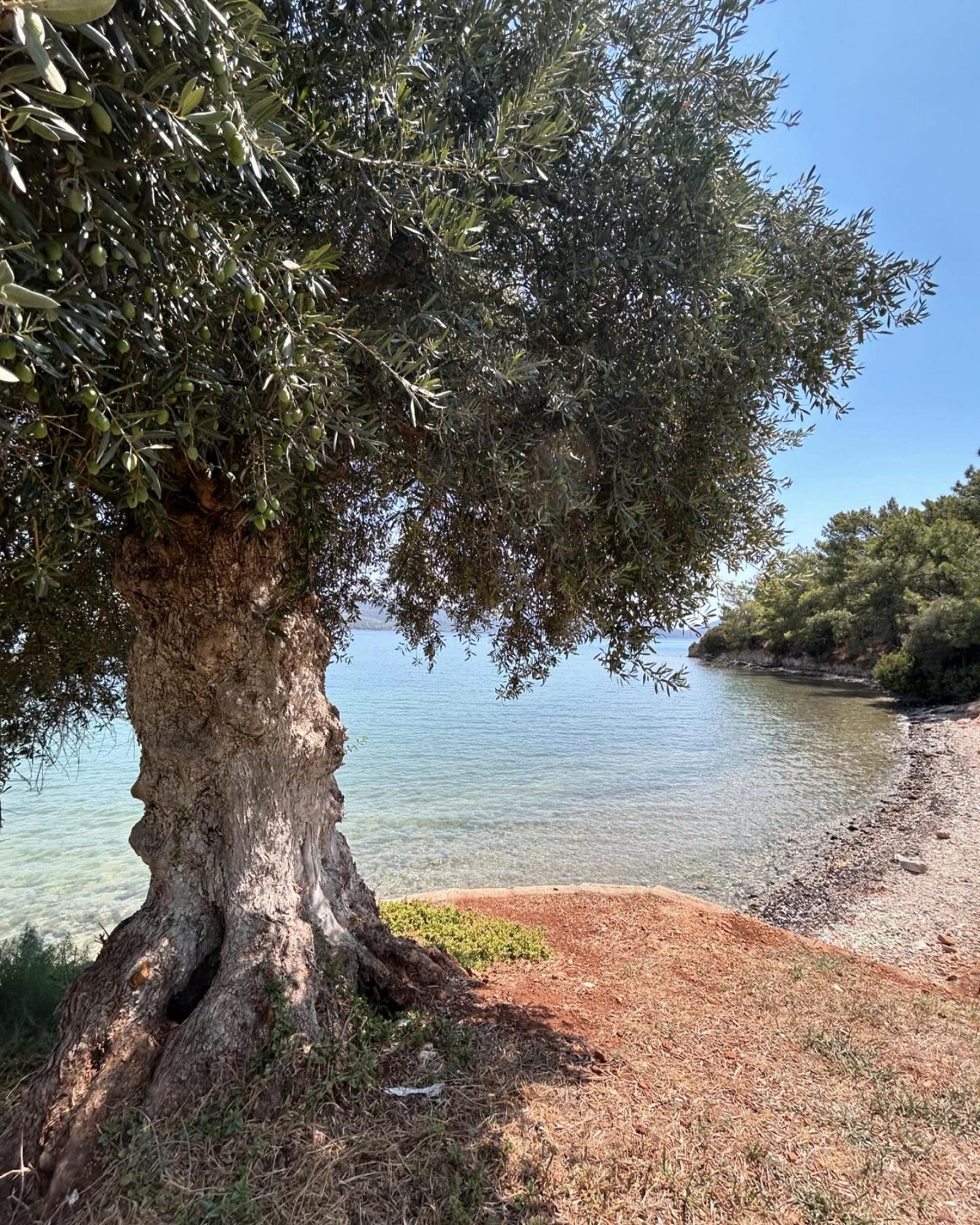
As you approach Assos from the direction of Ayvacık, the silvery-green olive groves stretching along the road are one of the most defining natural features of the region's character. Some of these trees date back centuries, others more than 400 years — with their thick, gnarled trunks, they seem to stand as witnesses to the region's entire history. Here, the olive is not merely an agricultural crop but a symbol of a way of life that has continued for centuries.
The Aegean's Ancient Tree
The presence of the olive tree along the Aegean and Mediterranean coasts dates back thousands of years; ancient writers, too, spoke of the central role of the olive and its oil in the life of the region. The soil and climate conditions around Assos have historically been favourable for olive cultivation, reinforcing the local population's reliance on the olive both for sustenance and for the economy. The hundreds-of-years-old trees still standing today are living proof of this unbroken agricultural tradition.
Harvest Time and Tradition
The olive harvest, which begins toward the end of autumn, remains an important communal event in the region's villages. Families and neighbours come together to pick olives from the trees, a labour-intensive process carried out with knowledge and experience passed down through generations. The harvested olives are pressed at local mills within a short time to become fresh olive oil — the intense, distinctive aroma of "first-press" oil, unique to that year's harvest, is one of the region's most prized ingredients.
A Tree That Withstands Time
One of the olive tree's most remarkable qualities is its extraordinary resilience against adverse conditions. Able to live for centuries despite dry summers and rocky, low-yield soil, these trees have become a symbol of patience and continuity for the region's people. The deep hollows and gnarls in the trunks of some of the older trees read almost like a quiet record of the storms, droughts, and seasons they've weathered — each one carrying its own small piece of history.
Olive Oil at the Table
One of the cornerstones of Aegean cuisine, olive oil in and around Assos is not merely a cooking ingredient but the principal source of flavour in many dishes. Vegetable dishes cooked in olive oil, meze made with fresh herbs, and cold-pressed oil eaten with fresh bread are among the region's essentials. In the local flavours served at our hotel's restaurants, you can taste the traces of this deeply rooted olive oil tradition too.
A Rest in the Shade
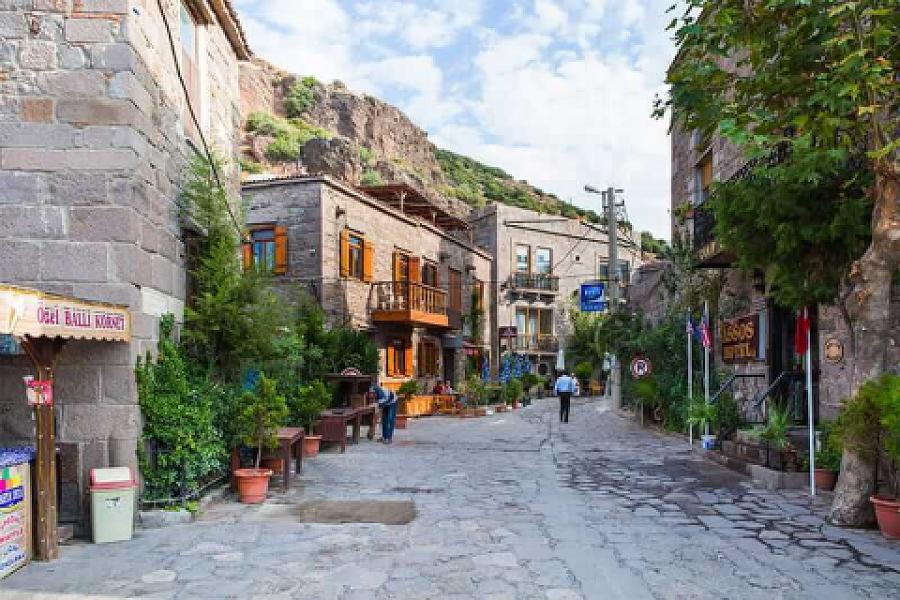
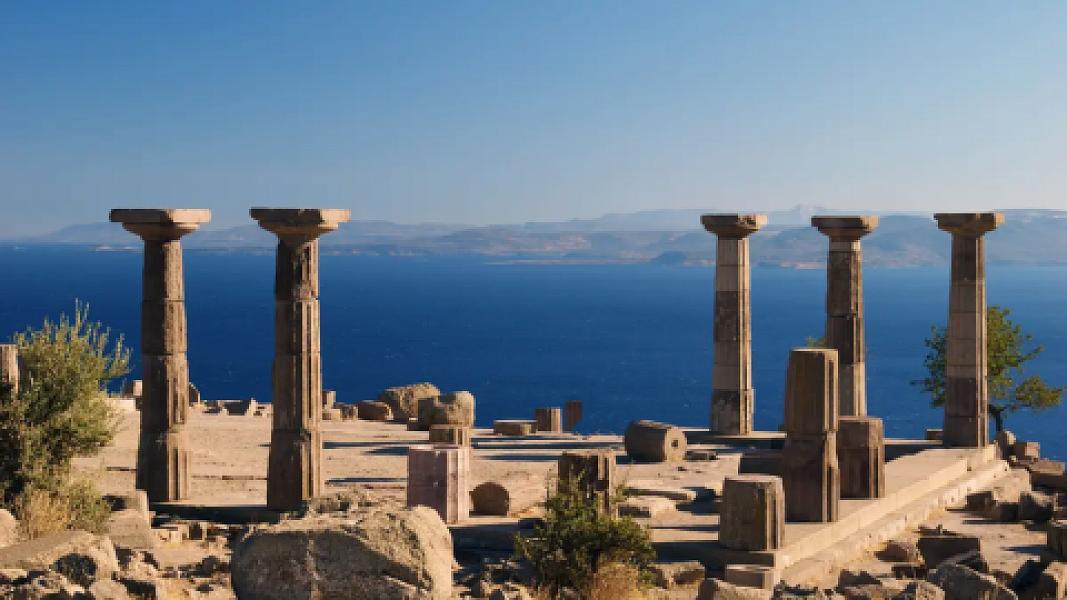
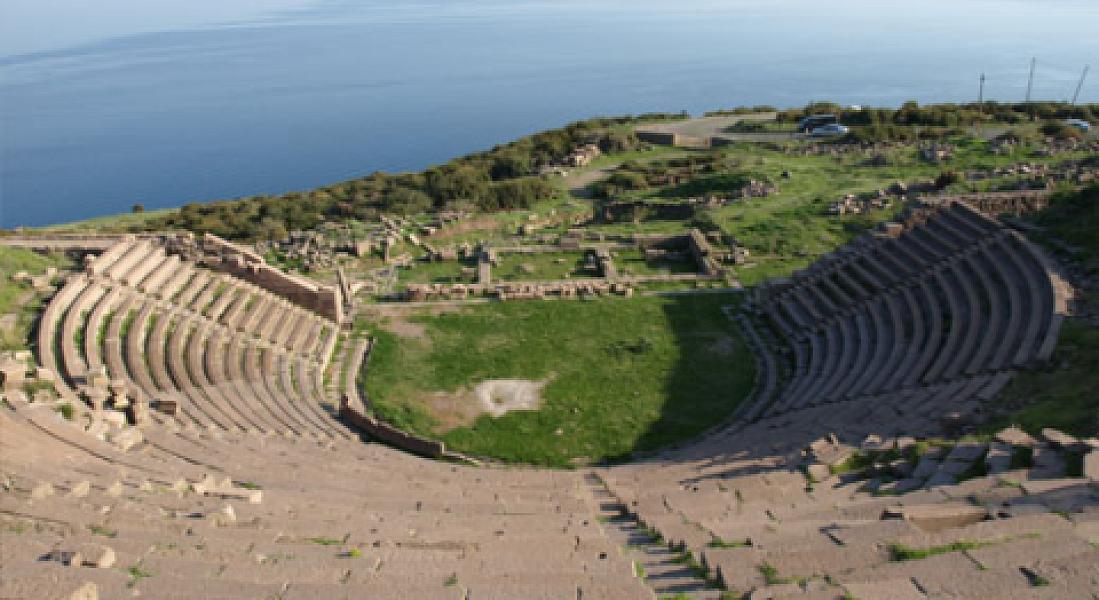
While walking through the ancient city or the village streets, pausing briefly in the shade of centuries-old olive trees is a calm, intimate part of the Assos experience. Their thick trunks and wide branches offer both cool shade and tangible testimony to the region's timeless nature. Some of these trees, growing right beside the ancient city's ruins, offer a striking example of how nature and history intertwine here.
While visiting Assos, we recommend taking a moment to notice not only the stone ruins but also the deeply rooted olive trees around you — they, too, tell the story of this land in their own quiet language.
Photo: Burcu Zengin, Wikimedia Commons (CC BY-SA 4.0)