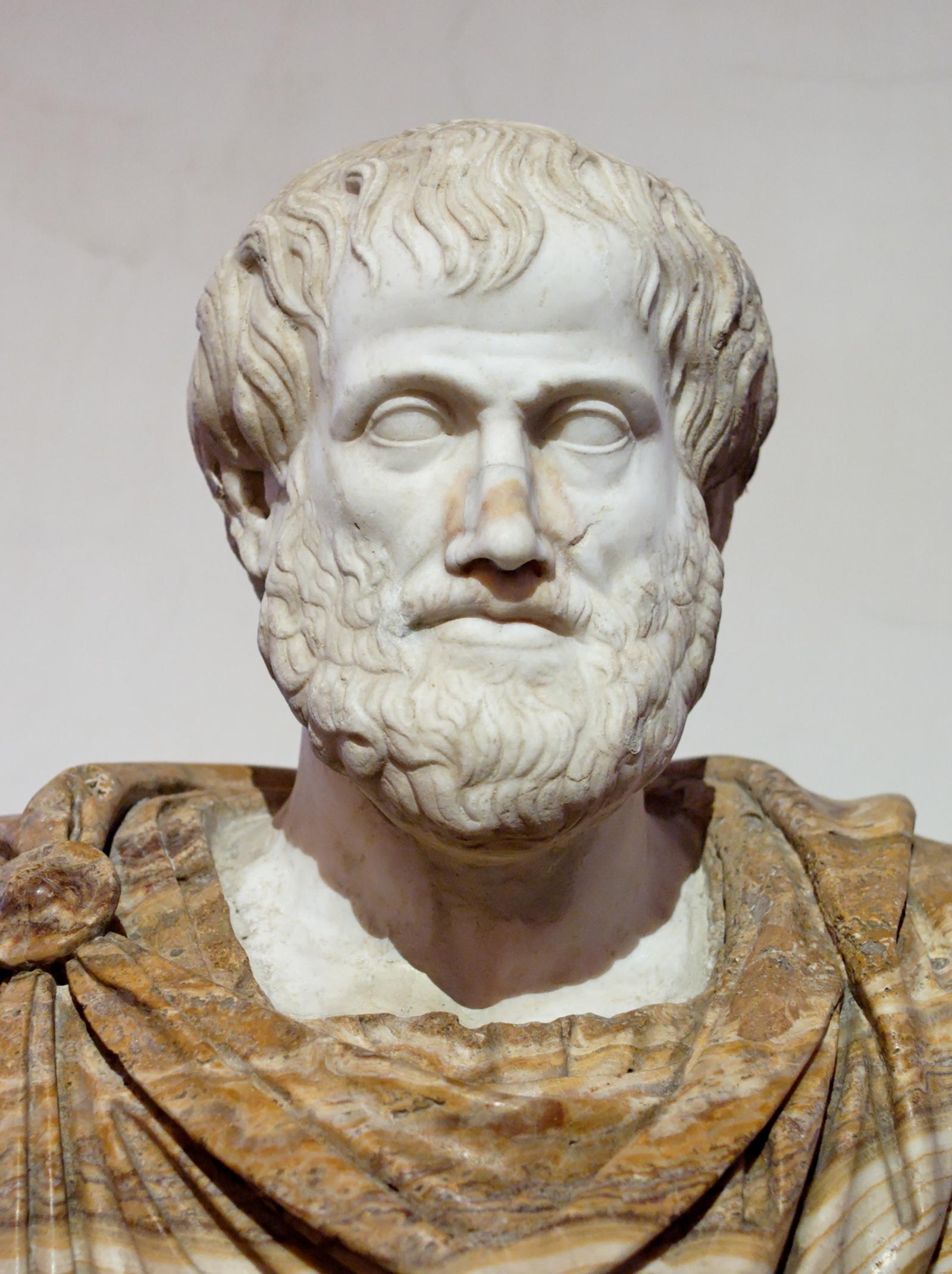
When Plato died in 347 BC, one of his students, Aristotle, left the Academy in Athens and travelled to the Anatolian coast, to Assos. He had been invited by Hermias, the philosopher-ruler who governed Assos and its surroundings at the time. Hermias wanted to establish a circle of thought on his own land that would carry Plato's teaching forward — and the years Aristotle spent in Assos would leave a mark both on his own philosophical development and on the history of ancient science.
Hermias's Invitation
Hermias, who had begun life as a slave before rising to rule the Assos and Atarneus region, held a particular interest in philosophy and learning. His education at the Athenian Academy had brought him into close contact with Plato's students. Following Plato's death, Hermias invited a group of philosophers, Aristotle among them, to Assos, leading the founding of a new circle of thought here. Aristotle answered the invitation around 347 BC and spent the following few years in Assos.
Philosophy at the Assos Academy
This small philosophical circle established in Assos functioned much like a direct branch of the Athenian Academy, continuing the Platonic dialectical tradition. Yet the time Aristotle spent here is also known as a period when his thinking gradually moved away from Plato's, evolving toward his own distinctive method — one grounded in observation and empirical inquiry. This intellectual environment, sustained under Hermias's patronage, marked an important turning point in philosophy's shift from purely abstract discussion toward the direct study of nature.
The First Steps of Natural Science
His years in Assos were a period in which Aristotle's interest in natural science took concrete shape. He is thought to have made observations of marine life in the shallow waters around the nearby island of Lesbos, observations that would later form the basis of works such as his "History of Animals." This empirical, observation-based method that Aristotle developed in Assos and Lesbos planted the first seeds of the approach that would make him one of the most influential natural scientists of the ancient world. It was also during this period that he married Pythias, Hermias's niece or adopted daughter.
Traces in Assos Today
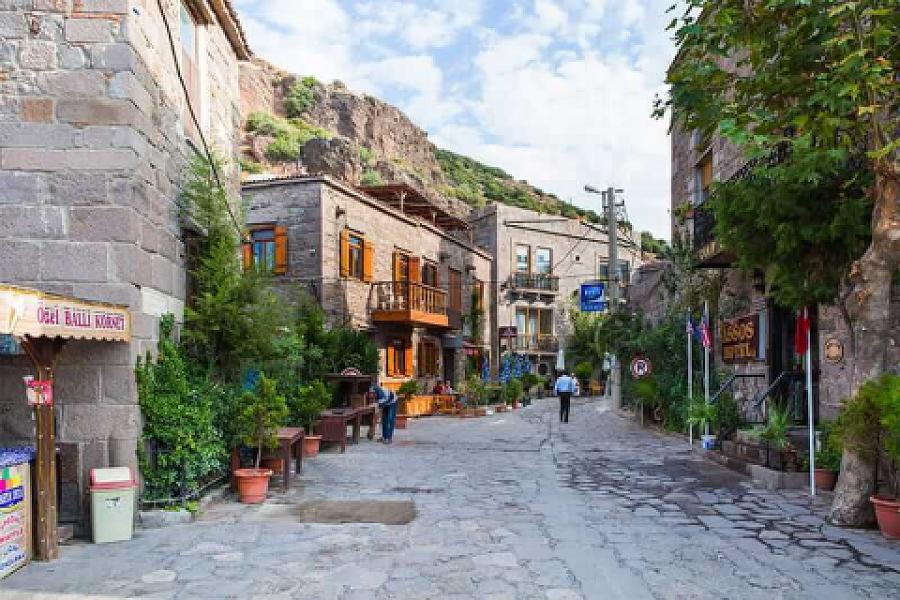
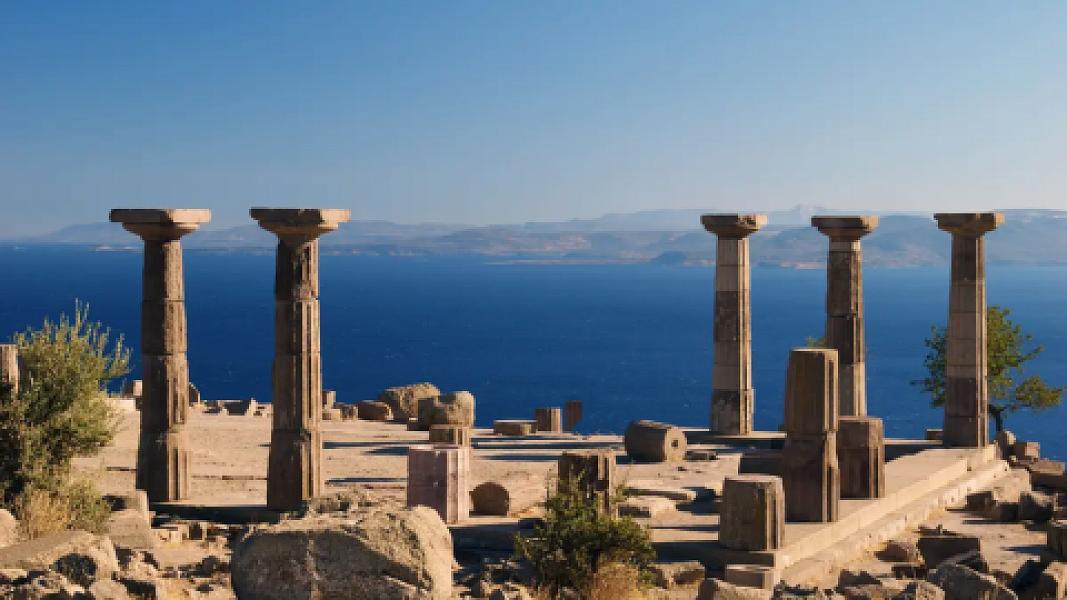
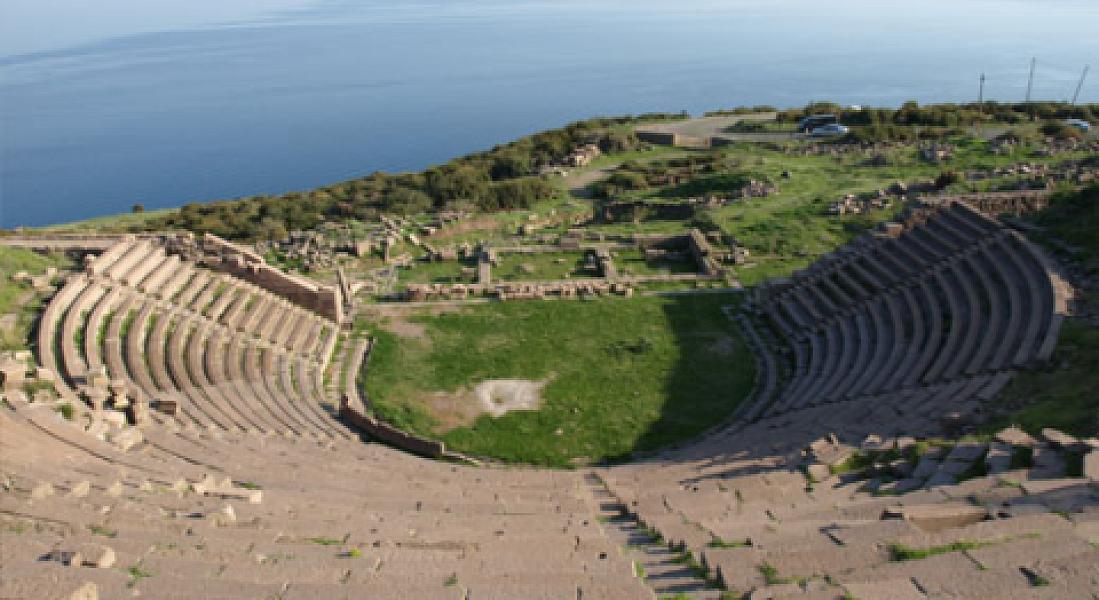
Although no physical remains of the Academy survive today, Aristotle's presence in Assos lives on as an inseparable part of the city's identity. Standing in the shadow of the Temple of Athena on the acropolis hill, looking out at the same horizon — toward Lesbos and the Aegean — you may sense that you are following in the footsteps of a philosopher who once walked here in the 4th century BC. Wandering among the ancient city's stone streets and temple ruins is a wonderful way to bring this philosophical legacy back to life in your imagination.
A Legacy for Western Thought
After Aristotle left Assos, his philosophical legacy became one of the cornerstones of Western thought, serving for centuries as a reference point in fields from logic and biology to ethics and political philosophy. The short but productive period he spent in Assos went down in history as a significant stop on the philosopher's own intellectual journey — the habit of observation he formed here would leave its mark on all of his later work.
Reachable on a short walk from our hotel, the ancient city site offers history- and philosophy-minded guests the chance to discover this story in person. You can ask our reception for recommendations and up-to-date information for your visit.